Lightning: A Powerful Force
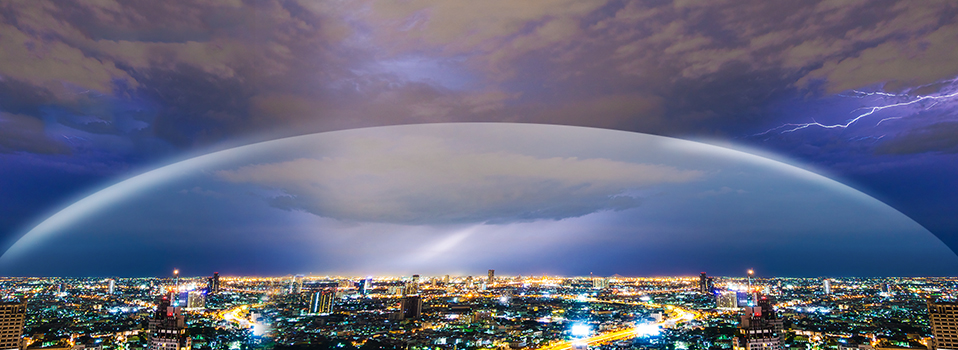
Lightning is a giant spark of electricity that occurs during thunderstorms. It's caused by the buildup of electrical charges within clouds, between clouds, or between clouds and the ground. When the charge imbalance gets too large, a rapid discharge of electricity streaks through the air, heating it to incredibly high temperatures and causing the bright flash and loud crack we experience as lightning and thunder.
Lightning's Destructive Power
Lightning strikes can cause damage in several ways:
Direct Strike: The intense current and heat from a direct strike can shatter structures, ignite fires, and damage electrical systems.
Secondary Effects: The powerful surge of electricity can cause sparking and induced currents in nearby objects, even far from the strike point. This can lead to fires or equipment malfunctions.
Electromagnetic Pulse (EMP): Lightning generates a powerful EMP that can damage electronic devices and disrupt electrical grids.
Ground Current: The current from a strike travels through the ground, posing a danger to people and animals in contact with the earth.
Importance of Lightning Protection (IEC 62305)
The International Electrotechnical Commission (IEC) standard 62305 provides guidelines for designing and installing lightning protection systems (LPS) to safeguard structures, people, and equipment from lightning strikes.
An LPS typically consists of three components:
Air Termination System: This network of conductors intercepts lightning strikes and diverts them safely towards the ground.
Down Conductors: These heavy-duty cables carry the lightning current from the air termination system to the earthing system.
Earthing System: A network of electrodes buried in the ground disperses the lightning current safely into the earth.
By following IEC 62305 standards, lightning protection systems can significantly reduce the risk of damage from lightning strikes, protecting lives, property, and critical infrastructure.
Summary
IEC 62305 provides a well-regarded international standard for lightning protection, and both the National Building Construction Standards (NBCS) April 2026 and the National Electrical Code (NEC) 2023 have provisions that achieve similar lightning safety objectives.